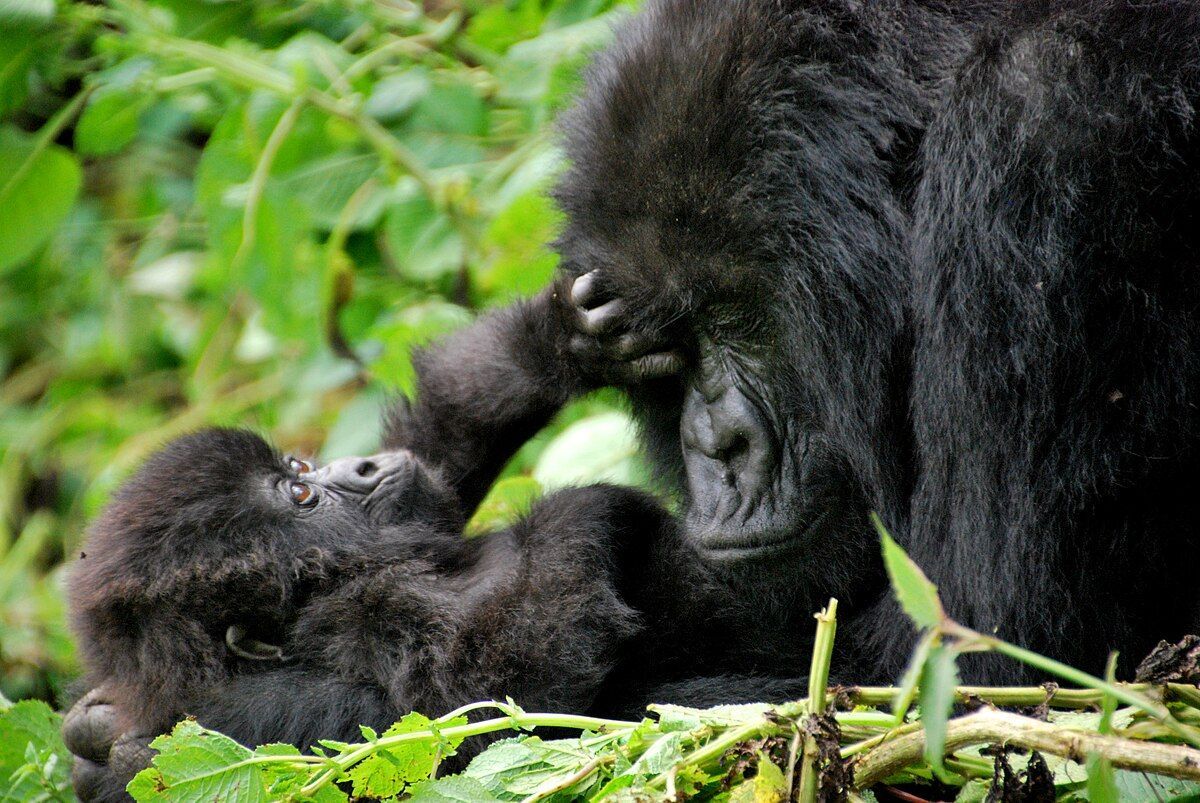
Gorilla trekking in Rwanda
Gorilla trekking in Rwanda is an all-year-round activity, with 112 permits available daily, allowing visitors to track one of the 11 of the 12 habituated mountain gorilla families. Each trekking group has a maximum size of 12 people, accompanied by two guides and two park rangers. The gorilla permit costs $1,500 per person, with a 30% low-season discount applicable between October and May. See full Volcanoes National Park prices for permits, gear rental, and porters.
The trek, starting from the trailhead, takes between 3 and 6 hours, depending on the trailhead where your trek begins and which gorilla family you are tracking. Trekking to the gorillas at Volcanoes National Park takes between 1 and 2.5 hours, after which you spend one uninterrupted hour with the family.
Some trailheads are a further driving distance from park headquarters but have gorilla families that are closer to trek, while other trailheads are closer to park headquarters but have gorilla families that are further up the mountain to trek. The specific family you track is at the sole discretion of the park warden, who assigns it on the day.
Early flight departures are not taken into consideration for this allocation, only age and mobility restrictions are. A request on these grounds must be sent to the park warden via the park's WhatsApp form before 20:00 on the night prior to trekking. For visitors who have booked through tour operators, this is usually handled by their guide.
Volcanoes National Park headquarters is located in Kinigi, a 30-minute drive from Musanze town. All visitors are required to be there by 06:30 to be allocated their gorilla families. The activity begins at 7:00, driving to the different trailheads, the closest being 30 minutes away and the furthest up to 2 hours' drive from park headquarters.
Gorilla Trekking at a Glance
- Location: Volcanoes National Park, Northern Province, Rwanda
- Distance from Kigali: 2 hours (116km)
- Gorilla Families: 12 habituated groups. 11 tracked, 1 set aside for research
- Permit Cost: $1,500 USD (standard), $1,050 USD (low season)
- Duration: 3-6 hours trekking, 1 hour with gorillas
- Group Size: Maximum 12 trekkers per group
- Daily Permits: 112 available
- Success Rate: 100%
- Minimum Age: 16 years
- Best Time: Year-round; dry season (June-September) ideal
Why Choose Rwanda for Gorilla Trekking?
Accessibility from Kigali
Rwanda gorilla trekking stands out for its unmatched accessibility. Volcanoes National Park is only two hours from Kigali International Airport, compared to Uganda's 8-10 hour drive or Congo's challenging access. This means you can fly into Kigali in the morning and be trekking mountain gorillas the next day.
World-Class Infrastructure
Rwanda has invested heavily in tourism infrastructure. Volcanoes National Park features well-maintained trails, professional park headquarters, excellent accommodations ranging from luxury lodges to budget guesthouses, and the most organized gorilla trekking operations in Africa.
Expert Guides and Trackers
Rwanda's park rangers and guides are among the best-trained in the world. Many have decades of experience tracking specific gorilla families. Their knowledge of gorilla behavior, forest ecology, and safety protocols ensures exceptional experiences while protecting both visitors and gorillas.
Higher Success Rate
With a 100% success rate of encountering gorillas, Rwanda gorilla trekking delivers on its promise. Dedicated trackers locate gorilla families before your trek begins, ensuring you spend time observing gorillas rather than searching for them.
Conservation Leadership
Rwanda has pioneered gorilla conservation through community-based tourism. Revenue from gorilla trekking permits funds anti-poaching efforts, habitat protection, and community development. The mountain gorilla population has grown from approximately 250 in the 1980s to over 1,000 today a remarkable conservation success story.
Low Season Discount
Rwanda offers a 30% permit discount during the low season (November to May), reducing costs from $1,500 to $1,050. This requires staying two nights in either Nyungwe National Park or Akagera National Park, creating an excellent multi-park safari experience.
Safety and Stability
Rwanda is one of Africa's safest countries for tourists. The country's commitment to cleanliness, security, and hospitality creates a comfortable environment for travelers. Political stability and low crime rates make Rwanda gorilla trekking worry-free.
The 12 Gorilla Families of Volcanoes National Park
Each of Volcanoes National Park's 12 habituated gorilla families has unique characteristics, personalities, and histories.
Susa Family (Susa A)
- Silverback: Kurira
- Members: 28 (largest group)
- Difficulty: Challenging
- Special Feature: Famous Poppy (born in 2007) and multiple twin births
- Trek Duration: 3-6 hours
- Location: Higher elevations
The legendary Susa family was studied by Dian Fossey and remains one of Rwanda's most sought-after gorilla groups. Known for producing twins which is rare for mountain gorillas, the Susa family offers incredible photographic opportunities but requires good fitness due to challenging terrain.
Karisimbi Group
- Silverback: Multiple
- Members: 10+
- Difficulty: Very Challenging
- Special Feature: Named after Mount Karisimbi
- Trek Duration: 4-7 hours
- Location: Slopes of Mount Karisimbi
This group often ranges high on the slopes of Rwanda's tallest mountain. The challenging trek rewards determined visitors with spectacular mountain scenery and a more adventurous gorilla encounter.
Sabyinyo Family
- Silverback: Guhonda
- Members: 8-10
- Difficulty: Moderate
- Special Feature: Guhonda is the largest silverback (220kg)
- Trek Duration: 2-4 hours
- Location: Base of Mount Sabyinyo
Named after the "Old Man's Teeth" volcano, the Sabyinyo family is led by Guhonda, the largest known mountain gorilla silverback. His impressive size and gentle nature make encounters with this family unforgettable.
Amahoro Family
- Silverback: Ubumwe
- Members: 17
- Difficulty: Moderate to Challenging
- Special Feature: "Peace" family (amahoro means peace)
- Trek Duration: 2-5 hours
- Location: Mid-altitude forest
True to its name, the Amahoro family is known for its calm, peaceful demeanor. Led by silverback Ubumwe after the death of gentle giant Ubumwe, this family offers relaxed observation opportunities.
Umubano Group
- Silverback: Charles
- Members: 11
- Difficulty: Moderate
- Special Feature: Split from Amahoro in 2008
- Trek Duration: 2-4 hours
- Location: Near Amahoro territory
Umubano ("neighbor" in Kinyarwanda) formed when silverback Charles left the Amahoro family with several females. This family demonstrates fascinating gorilla social dynamics and leadership transitions.
Hirwa Family
- Silverback: Munyinya (deceased), now multiple
- Members: 16
- Difficulty: Moderate
- Special Feature: "Lucky" family, formed in 2006
- Trek Duration: 2-4 hours
- Location: Variable
Hirwa means "lucky" in Kinyarwanda. This group has experienced significant growth and is known for playful juveniles and active youngsters, making it particularly entertaining for photographers.
Agashya Group (Group 13)
- Silverback: Agashya
- Members: 25+
- Difficulty: Moderate
- Special Feature: Dramatic leadership takeover story
- Trek Duration: 2-4 hours
- Location: Lower elevations, often accessible
Originally led by silverback Nyakarima, this group's leadership was taken over by the younger Agashya in a dramatic fashion. Now one of the largest families, Agashya group offers excellent viewing opportunities with easier access.
Kwitonda Family
- Silverback: Kwitonda
- Members: 18
- Difficulty: Challenging
- Special Feature: Migrated from Congo in 2003
- Trek Duration: 3-6 hours
- Location: Higher elevations
This family crossed from the Democratic Republic of Congo into Rwanda in 2003. Named after the dominant silverback, Kwitonda group demonstrates how mountain gorillas move across borders, highlighting the importance of transboundary conservation.
Bwenge Family
- Silverback: Bwenge
- Members: 11
- Difficulty: Challenging
- Special Feature: "Wisdom" family, led by lone silverback since 2007
- Trek Duration: 3-5 hours
- Location: Variable, often higher elevations
Bwenge means "wisdom," fitting for a silverback who successfully led his family alone for years. After other males died, Bwenge protected and grew his family, demonstrating remarkable leadership.
Ugenda Family
- Silverback: Kagabo
- Members: 11
- Difficulty: Very Challenging
- Special Feature: "Mobile" family that ranges widely
- Trek Duration: 4-7 hours
- Location: Highly variable
Ugenda means "on the move," perfectly describing this nomadic family. They cover large territories, making treks longer and more unpredictable. For adventurous trekkers seeking a true expedition experience, Ugenda delivers.
Muhoza Family
- Silverback: Ubumwe II (son of original Ubumwe)
- Members: 10+
- Difficulty: Moderate
- Special Feature: Newest habituated family (opened 2021)
- Trek Duration: 2-4 hours
- Location: Accessible areas
Muhoza is one of the newest families opened for tourism. Named after a sector in Musanze district, this group represents Rwanda's commitment to expanding sustainable gorilla tourism while maintaining conservation standards.
What to Expect: Your Gorilla Trekking Experience
Pre-Trek: Park Headquarters Briefing (7:00 AM)
The experience begins at Volcanoes National Park headquarters in Kinigi. Arrive by 7:00 AM for check-in, permit verification, and pre-trek briefing.
At the briefing, you'll:
- Learn gorilla viewing etiquette and safety rules
- Be assigned to one of the 11 gorilla families based on fitness level and preferences
- Meet your ranger guide and fellow trekkers (maximum 13 per group)
- Have the option to hire porters ($15-20) to carry your daypack. Hire porters with a stretcher to carry your for $200
- Enjoy traditional Rwandan coffee and entertainment
Important: If you're feeling ill, inform rangers immediately. Gorillas share 98% of our DNA and are vulnerable to human diseases. Sick visitors won't be permitted to trek, but permits can sometimes be rescheduled.
The Trek: Through Mountain Rainforest (1-6 Hours)
Trek duration varies dramatically depending on which gorilla family you're assigned and where they spent the previous night. Some families may be 30 minutes from the trailhead; others require 4-5 hours of hiking.
What the trek involves:
- Hiking through agricultural land before entering the park boundary
- Trekking through dense bamboo forests, hagenia woodlands, and open areas
- Navigating muddy, sometimes steep terrain (gaiters and hiking poles essential)
- Following trackers who located the gorilla family earlier that morning
- Potentially encountering other wildlife: golden monkeys, forest elephants, duikers, birds
Terrain challenges:
- Elevation: 2,500-3,500 meters (altitude may cause breathlessness)
- Steep slopes with roots, rocks, and thick vegetation
- Often muddy and slippery, especially during wet season
- Stinging nettles present (wear long sleeves and pants)
- Weather can change rapidly (rain possible any time)
Fitness requirements: You don't need to be an athlete, but reasonable fitness helps. The trek involves continuous uphill hiking, often on uneven, muddy trails. Most people in moderate health complete treks successfully. Listen to your body, communicate with guides, and take breaks as needed.
Porters: Hiring a porter ($15-20) is highly recommended. Porters carry your daypack, help you navigate difficult sections, and provide support when terrain gets challenging. Porter fees directly benefit local communities, making it a meaningful contribution beyond just personal assistance.
The Encounter: One Hour with Mountain Gorillas
When trackers locate your assigned gorilla family, rangers will ask you to leave backpacks behind (porters guard them) and approach quietly in single file.
Your hour with gorillas includes:
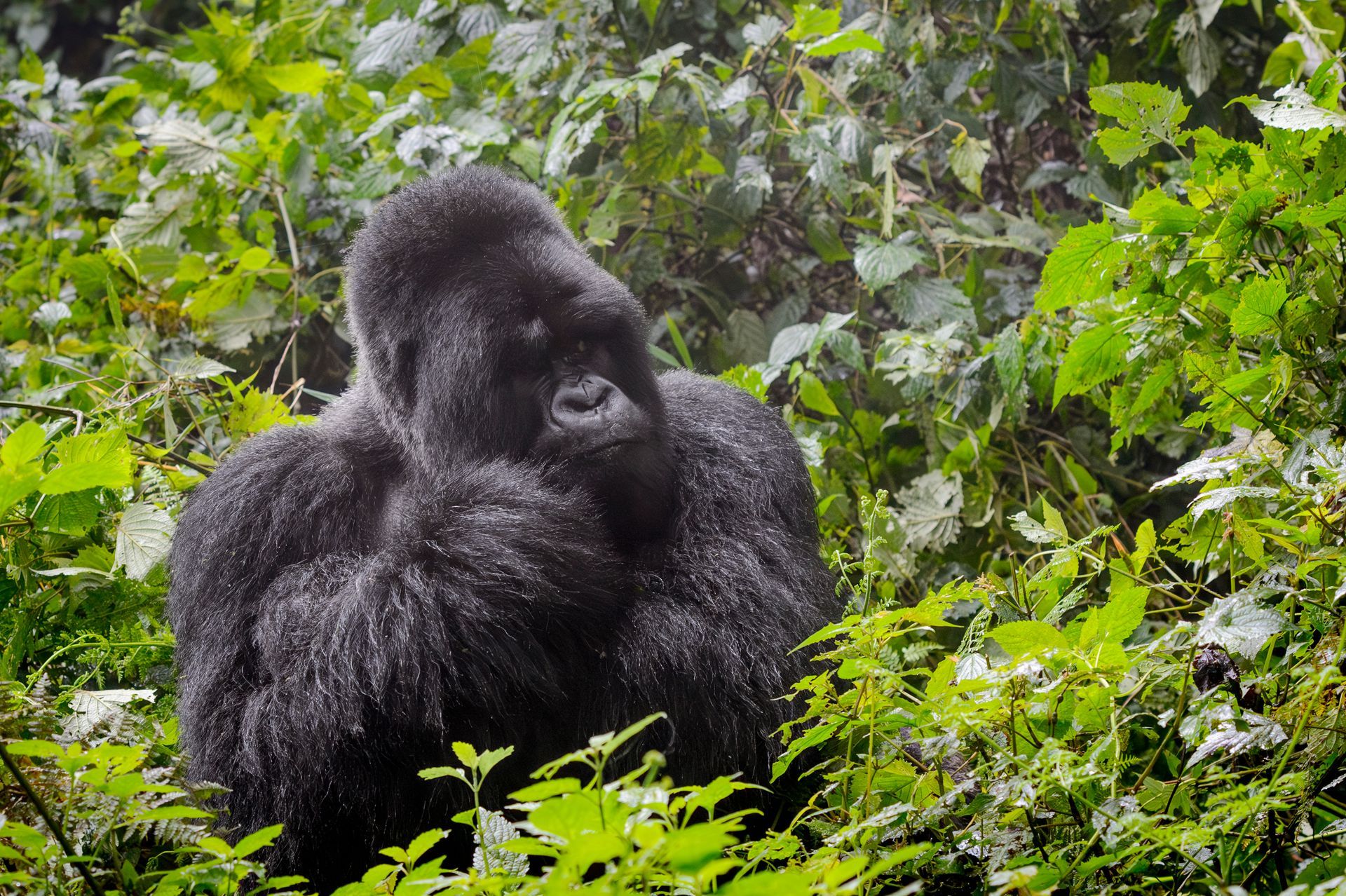
Observing Natural Behaviors: Watch mountain gorillas feed on bamboo shoots, leaves, and vegetation. See juveniles playing, infants clinging to mothers, and silverbacks resting majestically. Gorillas are surprisingly tolerant of human presence after habituation, often ignoring visitors entirely or displaying mild curiosity.
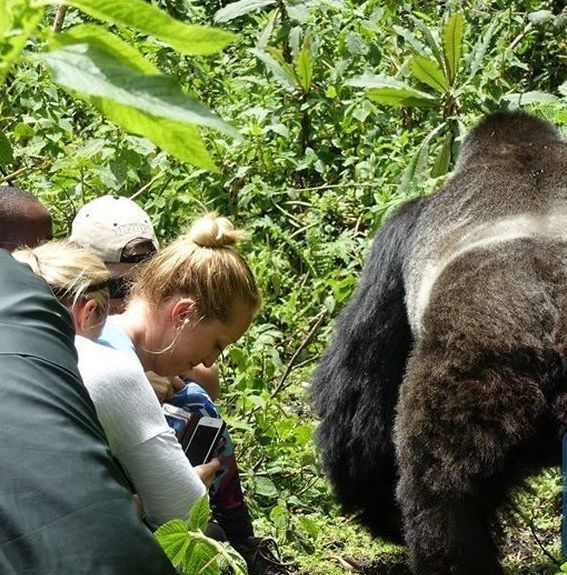
Incredible Proximity: You'll maintain a 7-meter distance, but gorillas don't always respect this boundary! It's not uncommon for curious juveniles or moving adults to come closer. If a gorilla approaches, remain calm, crouch down, and avoid direct eye contact.
Photography Opportunities: No flash photography is allowed, so bring cameras with good low-light performance. The forest canopy creates challenging lighting, but the intimate distance and lack of vehicle barriers make for spectacular, unobstructed photos.
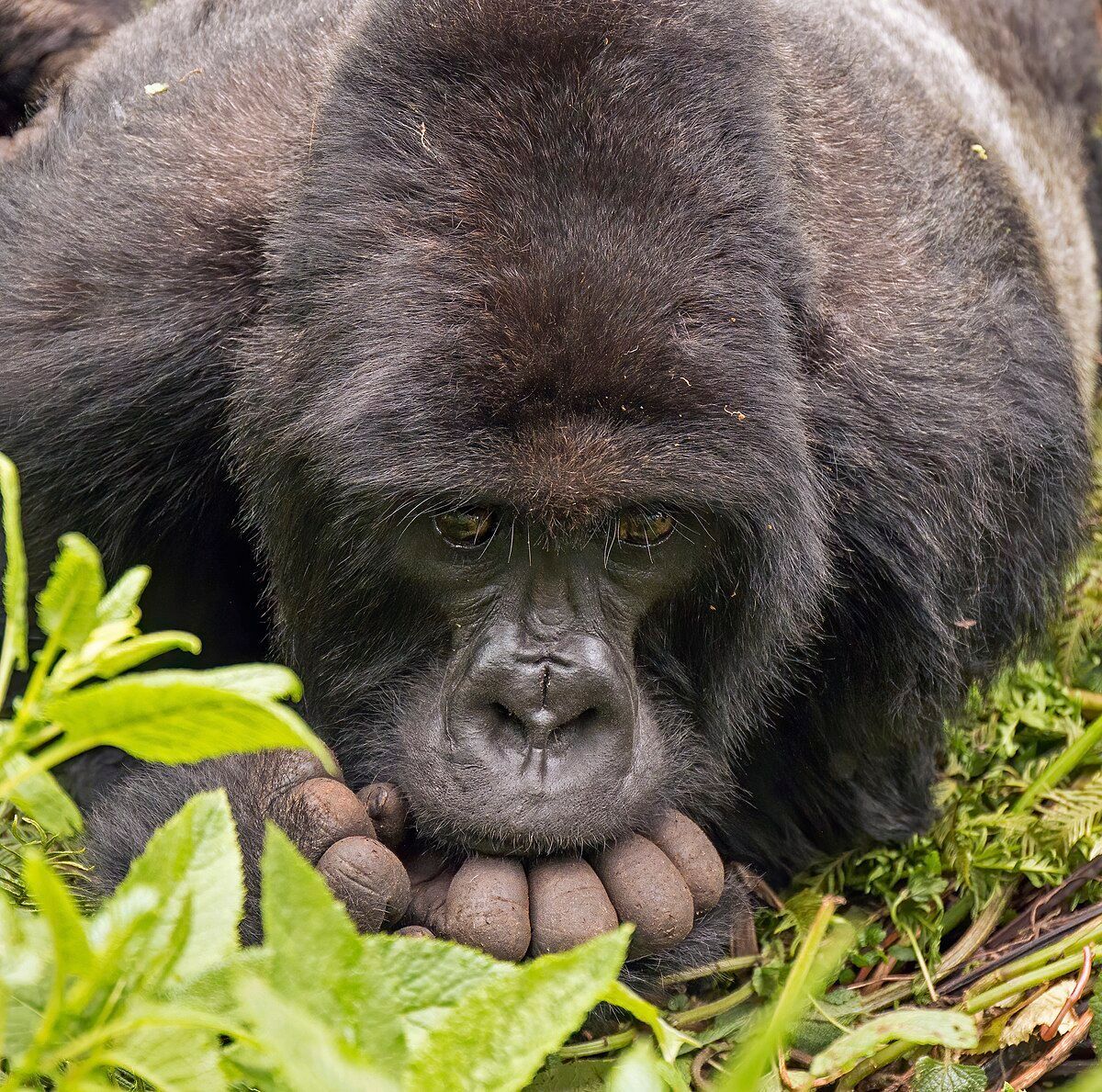
Emotional Connection: Many visitors describe gorilla trekking as the most moving wildlife experience of their lives. The eye contact, human-like expressions, and gentle family interactions create profound connections. Don't be surprised if you're moved to tears.
Strict Rules During the Hour:
- Keep voices low
- No eating or drinking
- No touching gorillas (even if they touch you)
- No flash photography
- Turn away and cover your mouth if you cough or sneeze
- Move slowly and deliberately
- Follow all ranger instructions immediately
After the Encounter: Return Trek (1-3 Hours)
After your precious hour ends, rangers lead you back to the trailhead. The return journey is usually quicker as it's mostly downhill, but can still be slippery and challenging.
At the trailhead:
- Receive your gorilla trekking certificate
- Optional: Purchase souvenirs from craft stalls
- Share experiences with fellow trekkers
- Return to your lodge for well-deserved rest
Most visitors spend the afternoon relaxing, processing the incredible experience, and reviewing photos. Many describe feeling emotionally exhausted in the best possible way.